Minimalism in the Future: Design Trends and Innovations
From Quiet to Quantum: Why Minimalism Still Matters
Minimalism is not about removing meaning; it is about removing the unnecessary so meaning is unmistakable. When every element serves a purpose, products feel intuitive, trustworthy, and refreshingly calm in an attention‑starved world.
From Quiet to Quantum: Why Minimalism Still Matters
As notifications multiply, attention becomes sacred. Future minimalism designs for cognitive relief, using clear hierarchies, gentle motion, and fewer choices to help people decide faster and feel better about those decisions.
Designing a product from a single, widely recyclable material reduces visual noise and end‑of‑life friction. Labels become embosses, fasteners become snap fits, and finishes rely on texture, not coatings that complicate recycling.
Materials and Manufacturing: The New Minimal Toolkit
Imagine lights that learn your rhythm, brightening before dawn and dimming at dinner, without a single tap. Minimalism favors intent over widgets, reducing visible controls while keeping manual override elegantly obvious.
Inspired by calm tech principles, information should appear at the periphery and move to the center only when needed. Haptics, soft soundscapes, and gentle color shifts replace jarring alerts with humane signals.
Where do interfaces still fight you—complex settings, hidden toggles, or endless onboarding? Share one pain point, and we will explore minimal solutions in future posts. Hit subscribe for deep dives and prototypes.
Tactile Neutrals, Not Sterile Whites
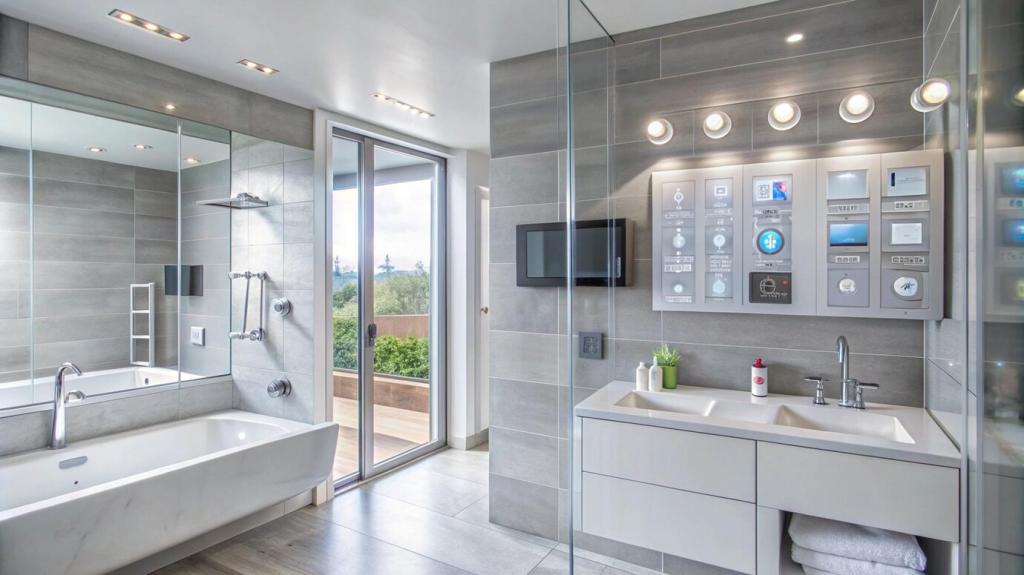
Think mineral grays, clay beiges, and soft graphite with matte finishes that diffuse glare. Subtle texture adds interest without pattern overload, keeping focus on form, function, and the quiet confidence of restraint.
Circadian‑Aware Lighting
Cooler tones support focus by day, warmer tones invite rest by night. Minimal controls use a single dial or pre‑sets, avoiding fiddly apps while preserving the power to personalize ambience quickly.
Show Us Your Palette
Post a photo or swatch stack of the three neutrals you live with most. What mood do they set? Subscribe to see reader palettes analyzed with practical tips for color harmony.
Sustainable Minimalism: Ethics in Every Line
Future‑ready products use standard fasteners, repair guides, and labeled parts. A clear pathway for upgrades and recycling turns minimal aesthetics into measurable environmental impact—not just a look, but a lifecycle strategy.
A studio piloted a thermostat with only one visible control: a temperature ring. Context‑aware sensors handled the rest. Users reported fewer adjustments and better comfort because the device learned and stayed out of the way.
02
A city library removed signage clutter and used lighting, floor texture, and ceiling baffles to guide behavior. Wayfinding improved, noise dropped, and visitors felt welcomed—not policed—by a space that communicated gently.
03
What is one time you removed a feature, rule, or object—and everything worked better? Tell us the before and after. Subscribe for more field notes, interviews, and behind‑the‑scenes prototypes.